
Listen to the episode
Paul McCartney
Full original episode. Highlights below summarise the discussion; claims and opinions are attributed to the speakers.A conversation across an extraordinary career
On the “Paul McCartney” episode of Good Hang with Amy Poehler, the musician moves between memories of the Beatles, his approach to songwriting, family stories and his affection for live performance. These highlights reflect the conversation as presented by the podcast and have not been independently corroborated.
Songwriting remains a process of discovery
McCartney rejects the idea that his output makes him a workaholic: because musicians “play” music, he jokingly calls himself a “playaholic”. He says he still begins at a guitar or piano, follows anything that sounds promising and asks where it might go next. When meeting songwriting students at his former school, he tells them he cannot offer a universal formula because every song is different; instead, he responds with gentle suggestions about structure and emphasis.
Discussing the album Boys of Dungeon Lane, McCartney identifies “Days We Left Behind” as particularly meaningful and explains how reversing the familiar phrase “black and white” helped unlock a lyric about photographs and memory. He also admits that his catalogue is now large enough for him occasionally to hear a recording and initially forget its title—or even the song itself.
The Beatles operated like a family—and an honest writers’ room
Looking back, McCartney says the Beatles did not initially expect a rock-and-roll career to last much beyond five years. Their shared history eventually gave the group a family quality: years at school, in Liverpool and performing in Hamburg meant they could read one another closely and offer blunt criticism. He views that candour as creatively valuable, particularly now that his reputation can make collaborators hesitant to say when something is not working.
McCartney says he has increasingly become a Beatles fan himself. Hearing old work can return him to writing with John Lennon and leave him feeling fortunate about the partnership. He recalls meeting George Harrison on a school bus, bonding over guitars and rock and roll, and later recommending the younger guitarist when Lennon wanted another member for the group.
Family questions open uncertain early memories
Before the interview, Stella McCartney asks Poehler to question her father about his earliest memory. McCartney carefully stresses that he may have constructed the recollection, but says he feels he remembers white tiles, chrome instruments and clanging at the Liverpool hospital where he was delivered with forceps. He also explains that “Monkberry Moon Delight” began with his children’s pronunciation of milk as “monk”, which inspired an imaginary milkshake and playful lyrics.
Audiences, collaboration and comedy still energise him
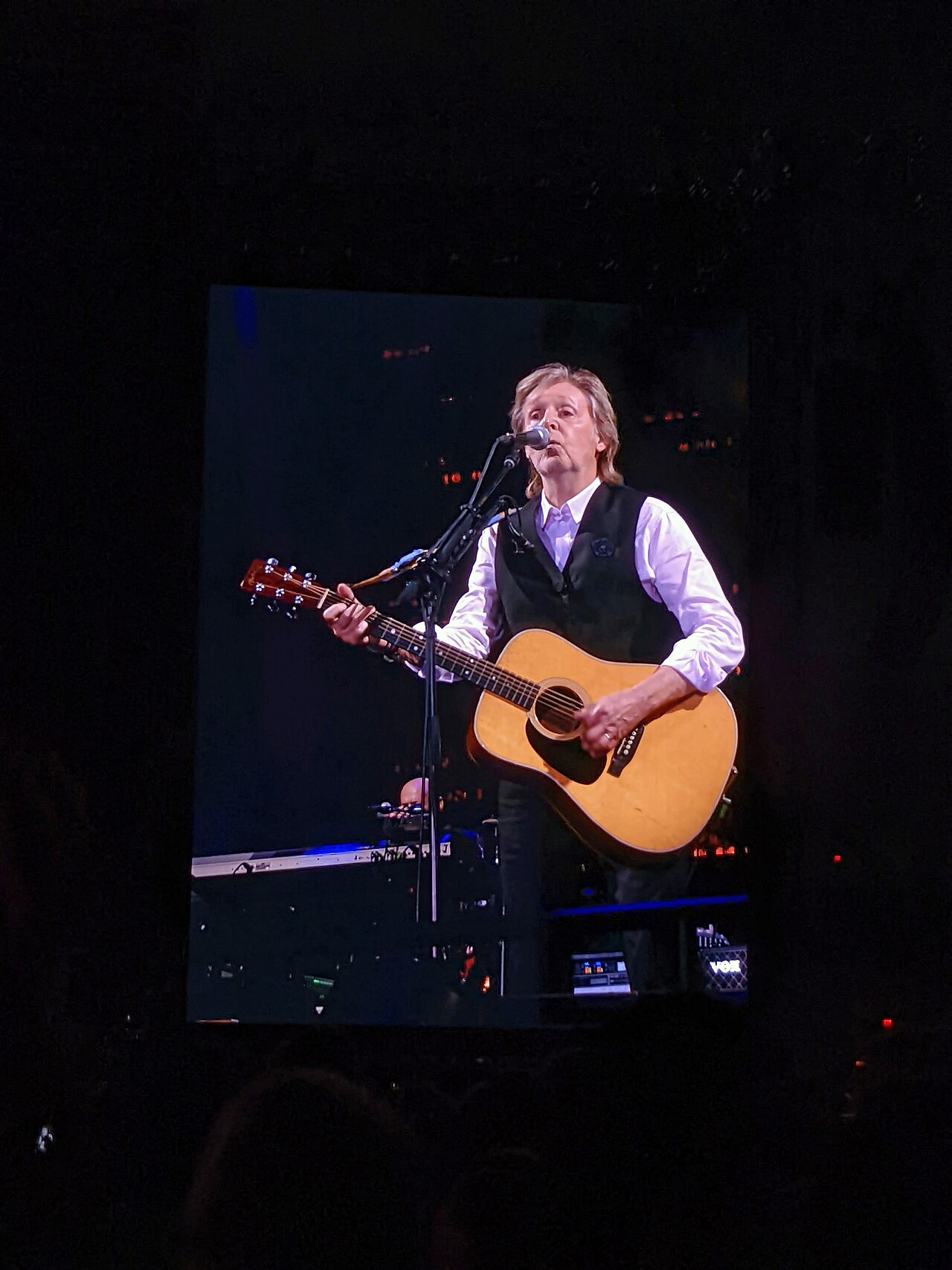
McCartney says the audience remains the central pleasure of touring, especially the unexpected mix of generations at his shows. He also values bands for companionship, outside opinions and the simple enjoyment of playing together. Asked about an unrealised collaboration, he names Bob Dylan but says he feels too nervous to make the call.
His long connection with Saturday Night Live began, he recalls, when Lennon showed him Lorne Michaels’ televised offer for a Beatles reunion. The pair briefly considered appearing unannounced but chose to remain where they were and watch. McCartney tells Poehler he still enjoys both musical appearances and being included in sketches, fitting an episode that presents creativity as something sustained by friendship, humour and room to play.