
Listen to the episode
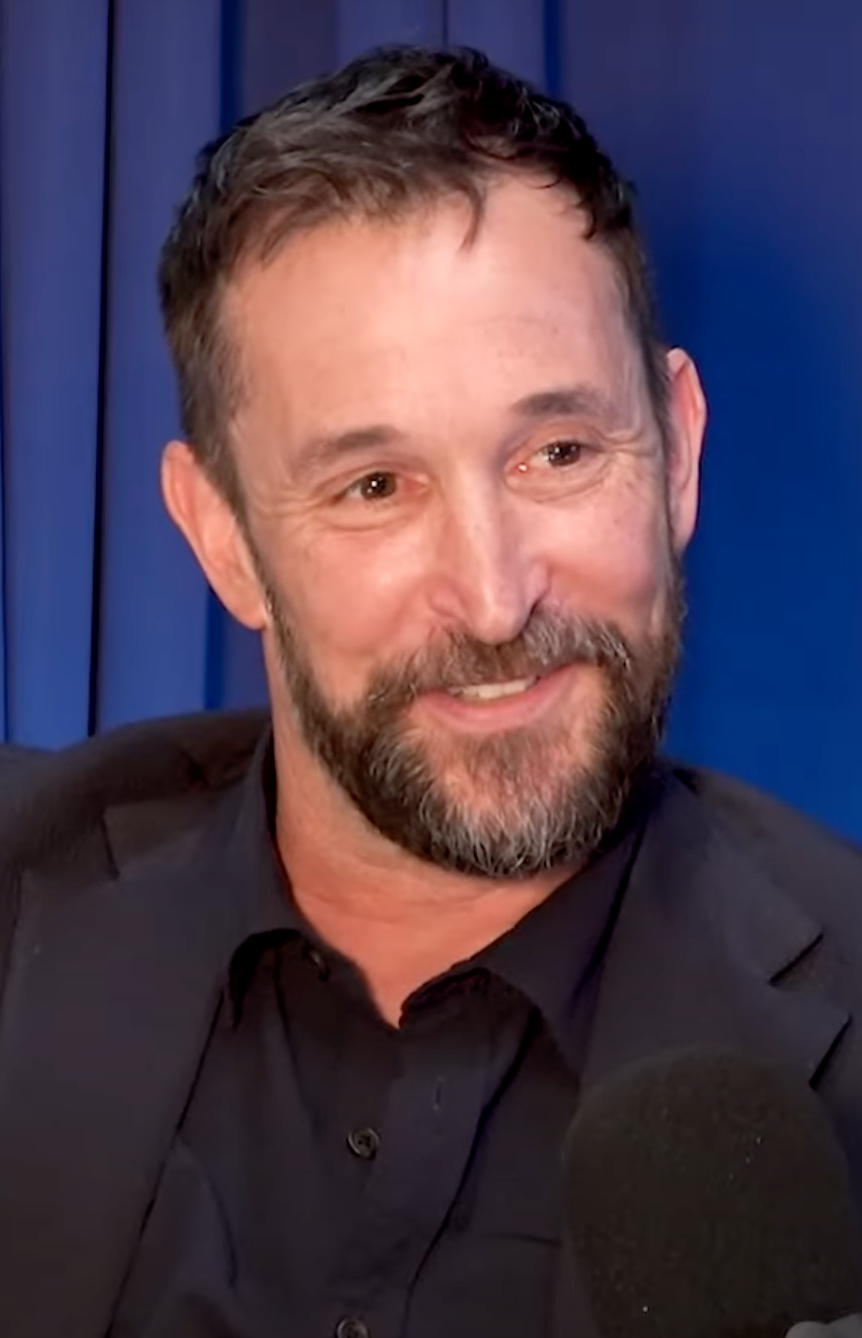
Noah Wyle
Full original episode. Highlights below summarise the discussion; claims and opinions are attributed to the speakers.From theatre kid to television regular
In the Noah Wyle episode of Good Hang with Amy Poehler, the actor traces a career shaped by ensemble work, mentorship and a willingness to pursue intimidating roles. The conversation is a personal account from Wyle and Poehler, rather than an independently corroborated history of his productions.
Wyle says he felt out of step as a child until a Northwestern University summer theatre programme introduced him to his “tribe.” He returned determined to act rather than attend college, supported himself through restaurant work and initially sought only theatre and film roles. When those plans stalled, his agent sent him the ER pilot; Wyle says he was 21 at the audition and turned 22 during production.
‘ER’ became an unusually long acting education
Although he had once resisted television, Wyle describes it as the foundation of a deeply rewarding career. He credits ER’s writing, directors and guest performers with helping him develop over time, saying he was better prepared for demanding storylines after several seasons. He also values television’s ability to create both a close production community and a lasting relationship with viewers.
Wyle and Poehler devote particular attention to Carter’s relationship with Peter Benton. Wyle says his rhythm with Eriq La Salle emerged instinctively: Carter craved the senior surgeon’s approval, while the characters gradually moved towards greater equality. Looking back, Wyle says he better understands La Salle’s determination to portray a distinct form of Black masculinity and professionalism, and gives him substantial credit for protecting that representation.
The working culture Wyle carried into ‘The Pitt’
Wyle remembers ER as a place where George Clooney encouraged everyone to work hard without taking themselves too seriously, while reducing divisions between cast and crew. He says he intentionally brought that ethos to The Pitt, aiming for rigorous, relevant work within a respectful and inclusive company. A lesson from director Rob Reiner also stayed with him: warmly welcoming performers can ease insecurity and help them do their best work.
According to Wyle, abandoning plans connected to an ER revival freed The Pitt to address contemporary issues without revisiting old characters or storylines. He also describes an immersive ensemble in which seemingly peripheral hospital workers and patients may later become central, encouraging audiences to invest in the whole environment rather than only its leads.
Fear is a guide to the next role
Asked what frightens him in a script, Wyle says resistance can indicate where he needs to go. He initially doubted audiences would accept him as the action-oriented lead of Falling Skies, then connected the character’s fears about leadership, fatherhood and loss to his own life. For emotionally difficult scenes, he imagines tending a small fire for weeks—keeping the feeling available until filming becomes a release rather than an ordeal.
His mother gave the medical drama new meaning
Wyle also discusses his mother’s nursing career. He says an episode of The Pitt prompted her to recall patients she had been unable to save—stories he had never heard because she rarely brought work home. The exchange made him realise, at 54, how little he had previously understood about her professional life, and he expresses gratitude that she has since received recognition from fellow nurses.