
Listen to the episode
Tricks, Treats and Trends
Full original episode. Highlights below summarise the discussion; claims and opinions are attributed to the speakers.The Daily surveys Halloween in 2026
In the Oct. 25 episode “Tricks, Treats and Trends,” The Daily host Rachel Abrams speaks with New York Times colleagues about Halloween in 2026. Food writer Kim Severson discusses candy, Styles editor Louis Lucero considers costumes, and reporter Callie Holterman revisits the giant skeleton known as Skelly. Their observations offer a snapshot of the holiday rather than an independently corroborated account of national trends.
Sour flavours and contrasting textures challenge chocolate
Severson says non-chocolate candy is gaining ground, particularly among Gen Z consumers drawn to combinations of sweet, sour, fruity and savory flavours. She cites one bulk-candy company’s rankings, which put M&M’s first and Sour Patch Kids second for Halloween, and describes Nerds Gummy Clusters as a social-media success combining a soft centre with a tangy, crunchy coating.
Abrams’s tasting demonstrates that novelty does not appeal to everyone. She would rather eat Nerds and gummies separately and is bewildered by popped Skittles, although she enjoys extra-sour Cry Baby gum. Severson also mentions an academic argument that intense sourness may redirect attention from anxiety; the conversation does not establish that idea as health advice or a proven treatment.
Candy inflation could change trick-or-treating etiquette
According to Severson, candy prices were up roughly 8 percent year over year, while chocolate had risen about 15 to 20 percent, depending on the source consulted. She links the chocolate increase to heat, poor weather and crop disease affecting cacao yields in West Africa. Severson speculates that cost-conscious households may distribute one piece per child instead of inviting trick-or-treaters to take a handful, but explicitly presents that outcome as her prediction.
Costumes become commentary on the cultural moment
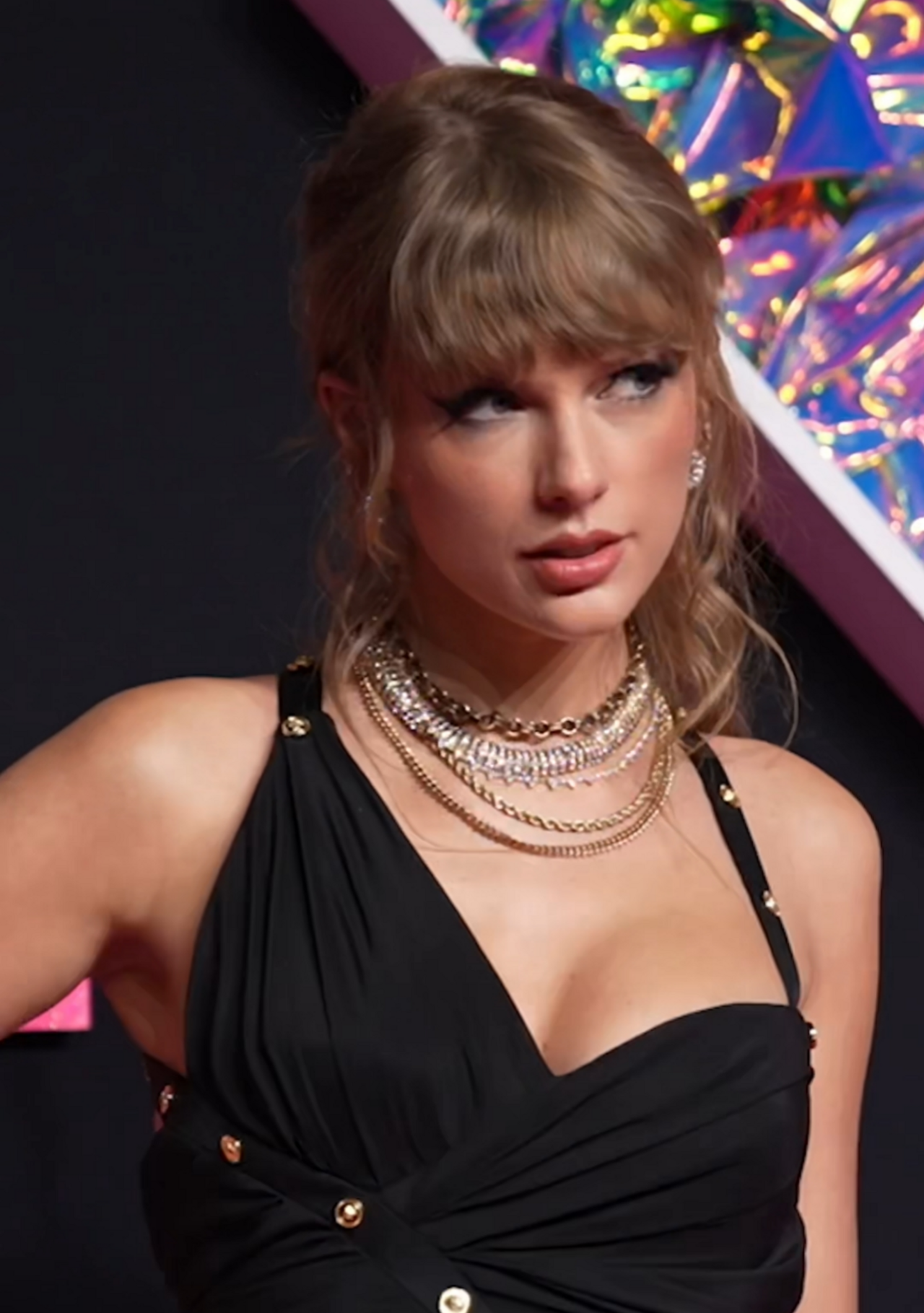
Lucero favours inexpensive handmade costumes whose humour depends on recognition. During a guessing game, he and Abrams discuss possible 2026 looks including Taylor Swift and Travis Kelce, characters associated with “Heated Rivalry,” and an artificial-intelligence concept. For the latter, a guest arrives without a costume, takes pieces from other people’s outfits and consumes large amounts of water—a joke built around criticisms of generative AI rather than a conventional impersonation.
Skelly grows from viral prop into connected décor
Holterman revisits Home Depot’s giant skeleton, commonly called Skelly. She says the decoration debuted in 2020, cost $299 and repeatedly sold out, although Home Depot would not give her sales totals. In her account, Skelly became popular partly because owners could turn its large frame into visual jokes, adapting it as a pirate, puppet, alien or other customised display.
Holterman cites a National Retail Federation projection of $13.5 billion in US Halloween spending for 2026, compared with $10.6 billion in 2022. She argues that retailers and celebrants value Halloween as a relatively flexible holiday with room for imagination. The episode says the latest Bluetooth-enabled Skelly allows users to adjust its lighting, movement and eyes, as well as play prerecorded messages or speak through it live.