
The week at a glance
Demonstrations over living costs, alongside demands from high school students, drew large crowds across France. G1 reported that the government estimated 550,000 participants on Saturday, October 17, while organisers put attendance at 800,000. Students, workers and members of the yellow-vest movement took part. The main Paris march was largely peaceful during the afternoon, according to reporting cited by G1, but fires, looting and confrontations were reported in several cities.
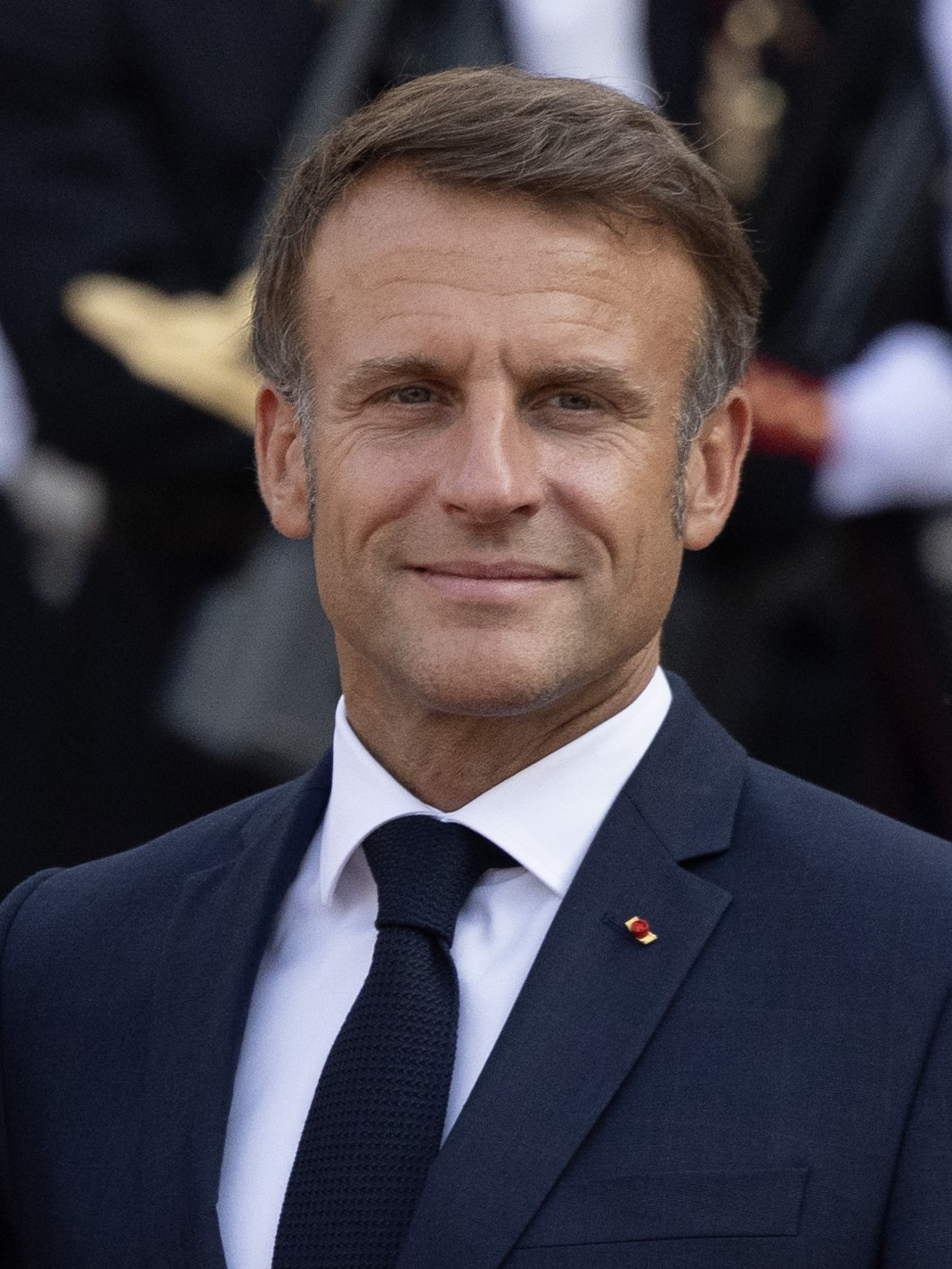
The reported arrest count rose as authorities assessed the disorder. Sky News reported more than 1,200 arrests, while La Nacion reported on October 18 that more than 2,000 people had been detained. President Emmanuel Macron called for unity and said the country felt anger and shame, according to Sky News. La Nacion reported that the government and opposition exchanged accusations over responsibility for the escalation.
Fires, looting and clashes across cities
Some of the most extensive damage reported was in Limoges, where fire struck the city hall and caused part of the building to collapse. G1 said masked people broke windows to enter the building and started the fire following the city’s demonstration. Regional prefect Maurice Barate said the roof fell onto lower floors and about two-thirds of the façades were lost. A municipal police vehicle had earlier been set alight outside.
Other public buildings were also targeted. In Lyon, the tourism office burned, and local police said hostile people prevented firefighters from working safely. In Angers, demonstrators entered the city hall and the Maine-et-Loire regional government headquarters; a staff member extinguished a small fire in a mail room. Interior Minister Laurent Nuñez also reported looting or attempted looting in Paris, Rouen, Nantes, Toulouse and Marseille.
In Paris, police used tear gas and water cannon as clashes continued into the evening. G1, citing other reporting, said vehicles and street areas were set alight, shops were looted and at least one restaurant was destroyed by fire. Toulouse saw burning bins, barricades and looting. Its attendance was put at 32,000 by regional authorities and about 80,000 by unions. Four union officials were injured and removed from the scene when security forces moved to halt the march, according to the report.
Arrests, injuries and public disruption
Prime Minister Sébastien Lecornu’s Saturday night assessment put the number detained at about 1,200 and said 150 police officers and gendarmes had been injured as of October 17, G1 reported. Earlier, Nuñez had reported 400 detentions and 60 injured officers, including two taken to hospital unconscious. La Nacion’s report the following day gave a later figure of more than 2,000 arrests and said hundreds of police, gendarmes and firefighters were hurt, without providing a more precise total in the supplied account.
The demonstrations in France coincided with cost-of-living and housing protests elsewhere in Europe. G1 reported marches or confrontations in Portugal, Italy, Belgium and Spain. Those events were separate national demonstrations, although they reflected similar concerns over household costs, housing or education.
Policing and accountability become a political crisis
Scrutiny shifted to the state’s preparations and the conduct of police. France24 reported that Macron promised full transparency over the police response to the nationwide protests. The Hindu subsequently reported that Macron rejected Nuñez’s offer to resign, citing the need for leadership, while promising accountability for failures involving planning and intelligence.
Lecornu defended the security forces and challenged the France Unbowed party to choose between supporting the republic and police or siding with those responsible for destruction, according to G1. In Toulouse, however, local CGT official Cédric Caubère blamed the regional prefect, his chief of staff and the prime minister for orders given to police after union officials were injured. These statements placed both operational decisions and political rhetoric at the centre of the dispute.
The debate also drew interventions from abroad. France24 reported that US Vice President JD Vance blamed immigration for violence during Saturday’s protests and shared footage of a city hall burning. On October 21, the BBC reported that Macron accused foreign leaders of exploiting the riots. The BBC described his remarks as an apparent reference to Benjamin Netanyahu and Donald Trump.
Restrictions shift as reinforcements are prepared
By the end of the reporting period, the government was combining restrictions with additional deployments. The Financial Times reported on October 21 that Macron warned protests not organised by groups he considered legitimate, such as trade unions, would be banned to prevent renewed rioting and looting. Al Jazeera later reported that demonstrations had been prohibited in several large cities and that Macron blamed far-left groups for encouraging the violence.
The National reported that bans had been lifted in many places while cities were promised additional law-enforcement personnel for further protests. It also said luxury boutique owners were preparing for possible disruption. Separately, the Times of Israel reported that protests were banned in major cities, with Macron saying restrictions were intended to protect city centres and public buildings. Together, the reports showed that the rules varied by location as authorities prepared for additional demonstrations.