
Election-day contest
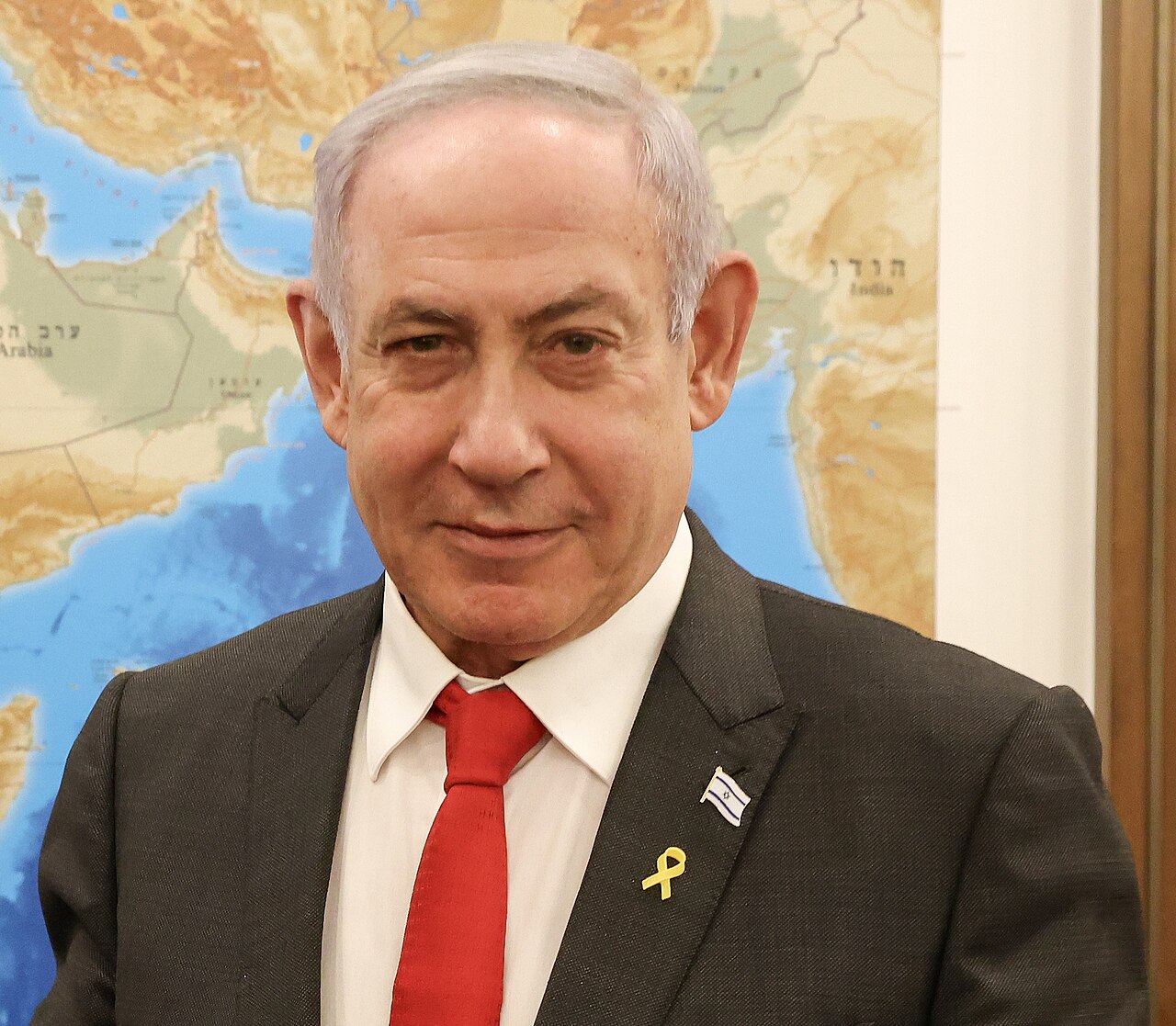
Israelis are voting on Tuesday in the country’s first national election since the October 7, 2023 attack and the conflicts that followed. Netanyahu is seeking to retain power against several opposition parties, with opinion polls cited by KRTV identifying Eisenkot as his principal rival. More than seven million people are eligible to cast ballots.
The Central Elections Committee said more than 31% of eligible voters had participated by noon, the highest midday turnout since 1977. Netanyahu voted shortly after midday, while Eisenkot began Tuesday by visiting communities attacked on October 7.
Security, compulsory military service and the independence of the judiciary are prominent issues. Netanyahu’s religious and ultranationalist coalition is opposed by parties seeking a change of government. In Israel’s fragmented parliamentary system, no single party has won an outright majority, making coalition-building central to forming a government.
Ballot complaint
Eisenkot’s Yashar party said it filed an urgent complaint over nine cases in which its ballot slips were allegedly missing, damaged or turned over in voting booths. The party alleged deliberate and systematic interference. Dean Livne, acting director-general of the elections committee, said reports of polling-station problems or irregularities were much lower than in previous elections.
Palestinians describe the stakes
France24 reported that residents of Ramallah in the occupied West Bank expressed hope that Netanyahu would lose power. One resident said Netanyahu remaining in office would bring mounting tension and the prospect of a regional confrontation.
Separately, France24 reported that United Nations-mandated investigators said on Monday that Israel had committed the crime against humanity of “extermination” in the West Bank and was continuing to commit “genocide” against Palestinians in Gaza.