
Listen to the episode
The Battle Over Black Representation in the South
Full original episode. Highlights below summarise the discussion; claims and opinions are attributed to the speakers.About the episode
In “The Battle Over Black Representation in the South,” an episode of The New York Times’ The Daily, host Rachel Abrams speaks with Southern correspondent Emily Cochran about how a Supreme Court ruling and mid-decade redistricting could affect Black voters. The discussion presents the show’s account of an evolving political and legal fight, rather than independently corroborated reporting here.
A court ruling opened the way for new maps
Cochran says the Voting Rights Act of 1965 removed discriminatory barriers and helped Black voters elect preferred candidates at levels ranging from Congress to local school boards. According to her account, this year’s Supreme Court ruling in Louisiana v. Calais made intentional discrimination harder to prove and weakened protections that had insulated some majority-Black districts from redrawing.
The episode says Republican-led legislatures subsequently pursued new maps in several Southern states. Louisiana reduced its number of majority-Black districts from two to one, while Alabama adopted a map that put one of its two Black members of Congress at greater electoral risk, Cochran reports.
Memphis illustrates how representation may change
Tennessee provides the show’s clearest example of the mechanics. Cochran says lawmakers split Memphis—a majority-Black city whose voters routinely elect Democrats—among three districts that supported President Donald Trump by double digits in 2024. She reports that residents and organizers are now asking whether Memphis priorities will receive less weight when combined with rural communities that have different interests.
Reactions across the region have varied. Cochran describes Republican enthusiasm alongside confusion, anger and frustration among many Democratic and Black voters. She also notes a risk of greater apathy among people already disconnected from government, although organizers hope opposition to the maps will instead increase participation.
Mississippi’s hearings became a forum for competing visions
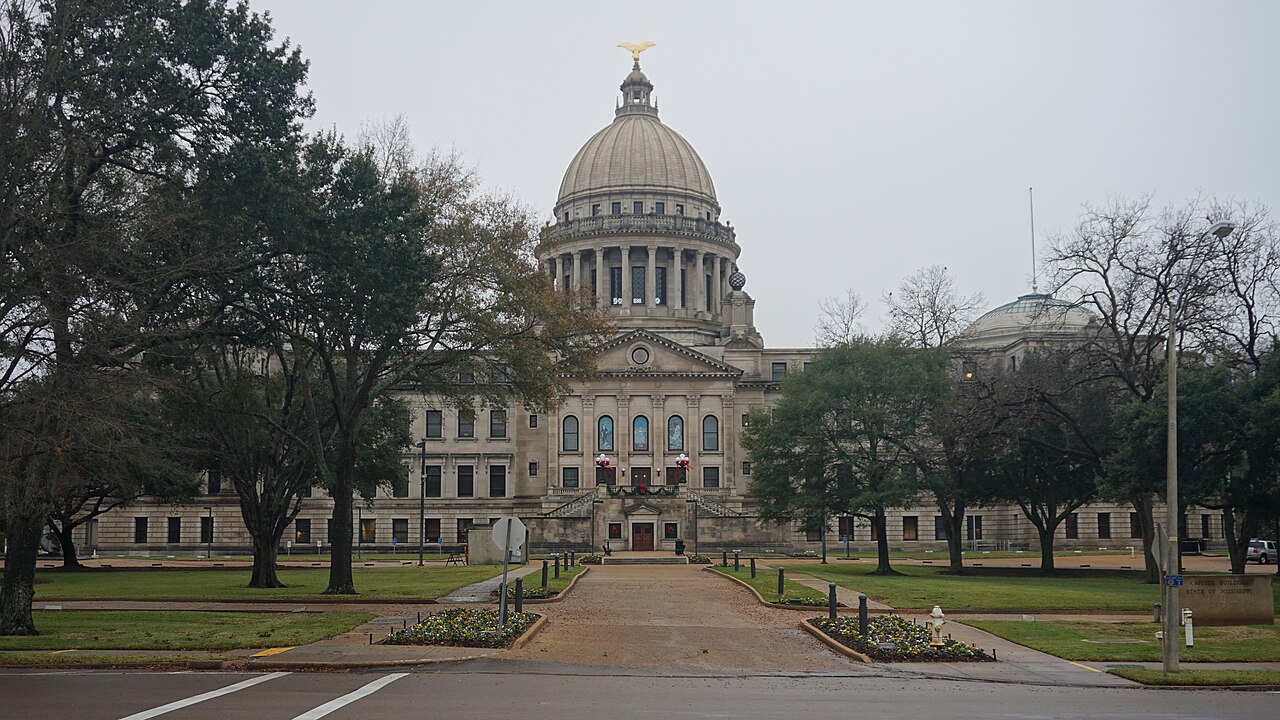
Mississippi lawmakers were considering changes to congressional and state legislative maps when the episode was recorded. The Daily says a packed hearing in Jackson featured arguments from supporters who described the existing boundaries as unfair and urged a “colorblind” approach, while opponents connected representation to Mississippi’s history of excluding Black citizens from voting.
Several opponents recounted family histories spanning enslavement, voter-registration activism and violence. Younger Black speakers also framed their testimony as a commitment to remain politically active. Cochran says many critics questioned why lawmakers were moving quickly on redistricting while problems involving health care, food access, infrastructure and employment persisted.
Mobilisation may not stop redistricting
Cochran cautions that public opposition may not prevent Mississippi Republicans from advancing new lines after the midterms because they are likely to retain a legislative majority. The larger uncertainty is whether the dispute produces disengagement or a broader coalition of voters who participate more consistently. She says early Black turnout had risen in parts of the South, but it remained unclear whether that enthusiasm could overcome the effects of altered districts.
The episode concludes that the battle could extend well beyond one election. Georgia and South Carolina had paused potential congressional redraws before the midterms, but Cochran says they could revisit them. In her assessment, the election would offer only an initial indication of how the new landscape may shape Black representation in the years ahead.