
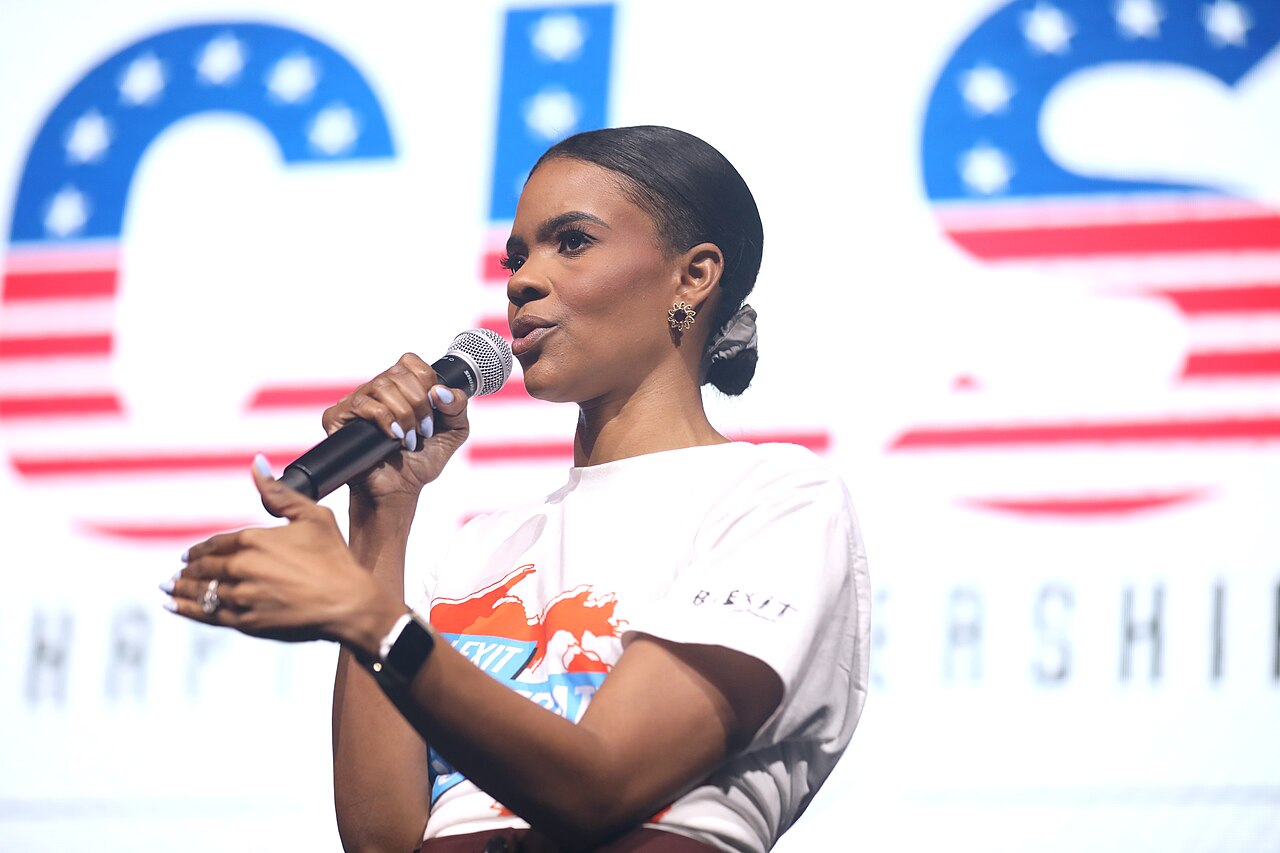
Watch or listen to the episode
Candace Owens x Baron Coleman: The Real UVU Review. | Ep 407
Full original episode. Highlights below summarise the discussion; claims and opinions are attributed to the speakers.A retrospective on a contested case
In Episode 407 of Candace, “Candace Owens x Baron Coleman: The Real UVU Review,” Owens and Coleman revisit the reported Utah Valley University timeline and testimony from the preliminary hearing. Their discussion is a highly sceptical interpretation of the case against Tyler Robinson, not an independently corroborated account, and both repeatedly argue that important questions remain unresolved before trial.
The campus route raises questions for the hosts
Owens and Coleman reconstruct what they describe as the official account of Robinson’s movements: an early arrival at UVU, a departure and return, a meal, a circuitous walk through campus and a later appearance in different clothing. They question why the alleged route passed multiple buildings and the campus police department when shorter approaches to the Losee Center were available. They also challenge the identification of the differently dressed figures, noting that an investigator cited similar shoes and his review of the footage. The hosts acknowledge that further evidence could emerge but say the material presented did not persuade them that the two figures were conclusively the same person.
Forensic testimony becomes the central dispute
Much of the episode examines DNA, fingerprints and firearms analysis. Owens highlights testimony that DNA on an object does not necessarily establish who touched or used it, while Coleman stresses reported degradation and multiple contributors. They also discuss testimony that Robinson was excluded from fingerprints recovered at one location. Turning to the projectile evidence, they focus on an examiner’s “inconclusive” assessment and her answers about a previous proficiency test. From this, the hosts argue that public descriptions of a definitive forensic match overstated what was established; that remains their interpretation of the hearing rather than a settled finding about the case.
Messages and a destroyed note face authentication questions
The pair regard the alleged text messages as essential to the prosecution because, as presented on the show, they contain extensive details about motive and conduct. Coleman says those messages would still need authentication and technical support before a jury could rely on them. They also scrutinise testimony about a photographed confession note that was later found partially burned. Owens doubts the messages’ authenticity, but the episode supplies no technical extraction or independent examination that resolves the issue either way.
Transparency, public communications and the road to trial
The final major theme is institutional accountability. Owens and Coleman criticise Turning Point USA’s communications and its reported decision not to participate in a UVU independent review, arguing that greater transparency and corrections would rebuild trust. Their criticism includes numerous allegations and opinions that are not substantiated beyond the conversation. Looking ahead, they note that prosecutors and the defence were seeking different trial schedules, with the defence reportedly requesting more preparation time for a potential 17-week death-penalty trial.