
Listen to the episode
Kim Leadbeater, MP: My Sister's Murder and Why I Never Wanted To Go Into Politics
Full original episode. Highlights below summarise the discussion; claims and opinions are attributed to the speakers.A conversation about resilience after profound loss
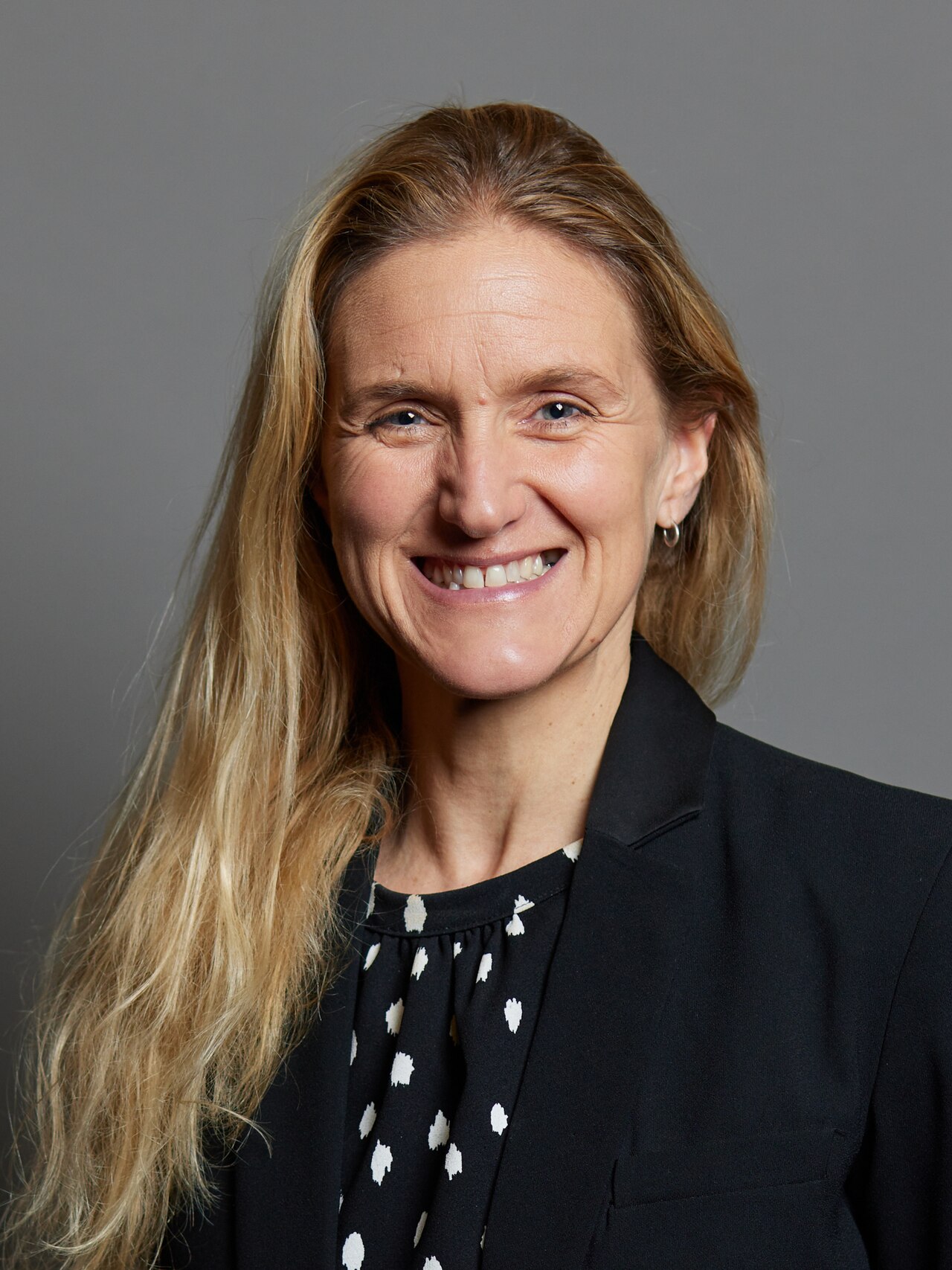
In this episode of The Rest Is Politics, Labour MP Kim Leadbeater joins Lindsay Nicholson for a conversation about grief, resilience and public life. Leadbeater discusses the murder of her sister, former MP Jo Cox, and the political work that followed, while Nicholson recounts losing her husband and daughter to a rare blood cancer. Their reflections are personal accounts presented by the podcast, rather than independently corroborated reporting.
Leadbeater says her grief remains unprocessed
Leadbeater recalls receiving a call saying Cox had been attacked and immediately sensing that the outcome would be grave. She says she began shaking, then moved into “autopilot,” concentrating on what she could control and on supporting her parents, Cox’s children and others affected by the killing. The first weeks and months—and perhaps the first year—remain a blur in her memory.
Although she can now discuss the murder openly, Leadbeater says she has not emotionally processed it. She describes spending the subsequent decade moving at high speed and trying to generate positive action from devastating circumstances. Encounters with other victims and survivors of terrorism have, she adds, demonstrated the strength ordinary people can find after extreme trauma.
An assisted-dying defeat she considers procedural
The conversation turns to Leadbeater’s unsuccessful effort to change assisted-dying law. She says the campaign will continue and distinguishes losing a policy argument from what she views as an unfair parliamentary process. According to Leadbeater, the bill received extensive scrutiny and twice passed the House of Commons before a small group of peers tabled about 1,200 amendments. She attributes its later Commons defeat partly to supporters being absent.
Leadbeater presents the proposal as a tightly limited option intended to give some terminally ill people greater control. Nicholson voices a different concern: that assisted dying should not advance before hospice care, social care and protections against coercion are adequately addressed, and that hospice funding might suffer. Leadbeater disputes that these aims are incompatible. She also cites France’s legislation and access to Dignitas in Switzerland, but those international claims are her own account within the episode.
Why politics still does not come naturally
Leadbeater says Cox embraced politics earlier, becoming more politically engaged through university, work in the European Parliament and international humanitarian organisations. Leadbeater’s own route was different: she came to see that human concerns are also political issues, even though she still dislikes aspects of political life.
She argues that weak public understanding of political institutions contributes to frustration and hostility, because constituents may not know which office can solve a particular problem. Her preferred response is civility: she says she tries to remain respectful even toward people with whom she profoundly disagrees and avoids making disputes personal—a style she associates with her sister.