
Student ID restrictions return
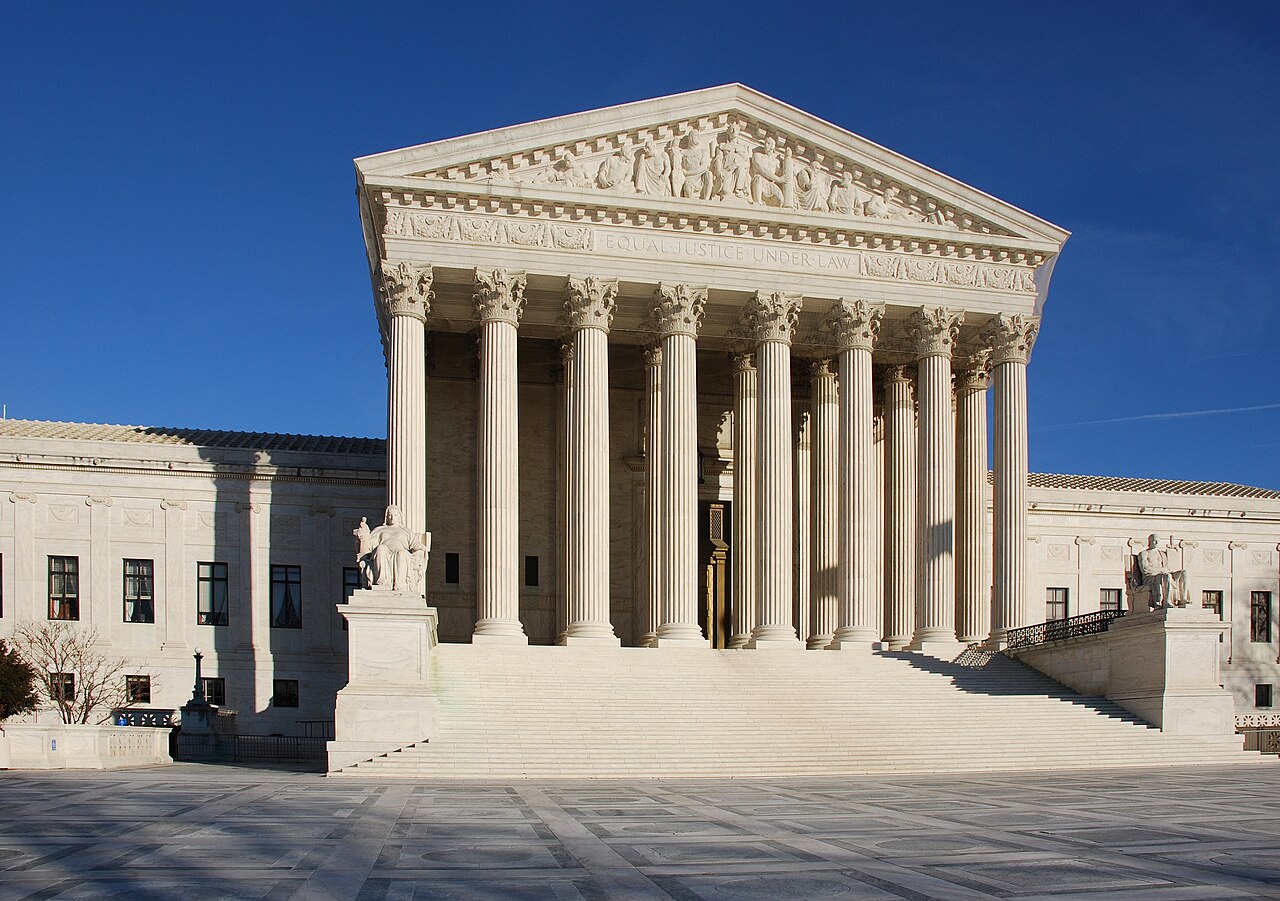
The US Supreme Court has allowed New Hampshire to restrict the use of student identification when people register to vote or seek a ballot for the November 3 general election. Its order stays preliminary injunctions issued by a federal district court but does not settle the underlying legal challenge.
The dispute concerns HB 323, which the state legislature passed and Governor Kelly Ayotte signed. Student IDs cannot be used alone to verify a voter’s identity. Secretary of State David Scanlan interpreted the law as also excluding them from consideration alongside other documents through an alternative process for proving identity.
Lower court blocked the state’s interpretation
On October 2, a federal district court prevented New Hampshire from enforcing that broader interpretation. The preliminary injunction allowed election officials to consider a student ID as supporting evidence when a voter also presented other documentation.
The Supreme Court’s unsigned order invoked the Purcell principle, under which the proximity of an election weighs against federal court intervention in election procedures. The court concluded that the district judge had not provided enough justification for intervening at that stage. It did not disclose the vote count.
Opponents warn of harm to young voters
Lawyers for the Coalition for Open Democracy, which challenged the policy, said the Supreme Court’s decision would cause confusion and deprive young voters of their right to vote. Justice Ketanji Brown Jackson dissented, arguing that the district court had corrected the state’s interpretation rather than changing the law itself and questioning whether Purcell should apply.
Attorney General John Formella described the order as a victory for applying New Hampshire’s election laws as written and avoiding uncertainty close to the election.