The week at a glance
Reporting during the week pointed to mounting pressure across several connected fronts. Tehran said it remained open to talks, Washington outlined nuclear demands and later denied that negotiations were under way, and Moscow offered to mediate. Separately, the United States imposed sanctions linked to Iranian shipping, while security reports focused on the Strait of Hormuz, Saudi Arabia and Yemen.
The regional rhetoric also remained confrontational. Al Jazeera reported Iranian Foreign Minister Abbas Araghchi’s allegation that Israeli Prime Minister Benjamin Netanyahu wanted further war before elections. The same report said fighting in Yemen had intensified, but the available reporting did not establish a direct connection between those developments.
Conflicting signals on talks and mediation
Iranian President Masoud Pezeshkian said Tehran was not seeking to develop nuclear weapons and was prepared for dialogue with the United States, according to VietnamPlus. He also rejected pressure and unilateral sanctions. Middle East Eye subsequently reported US Vice President JD Vance as saying Washington wanted a long-term, verifiable Iranian commitment not to rebuild its nuclear programme.
Those statements did not amount to confirmation of active talks. Near the end of the reporting period, Middle East Eye quoted President Donald Trump as saying the United States was not negotiating with Iran. The comments left a clear gap between public expressions of possible dialogue and the stated position on whether discussions were actually taking place.
Russia continued to present itself as a possible intermediary. TASS reported that Foreign Minister Sergey Lavrov was scheduled to visit Tehran on October 19 for meetings with Pezeshkian and Iranian Foreign Minister Araghchi. TASS later quoted Russian Deputy Foreign Minister Andrey Rudenko as saying Moscow was prepared to mediate if Washington and Tehran were interested, while adding that Russian proposals on the nuclear issue had not received support so far.
Washington also increased economic pressure. Al Arabiya reported that the US Treasury imposed sanctions on Wednesday on Karnakis and Karnakis, a law firm based in Greece and Panama, alleging that it had supported Iranian shipping.
Shipping risks and deadly interceptions in Saudi Arabia
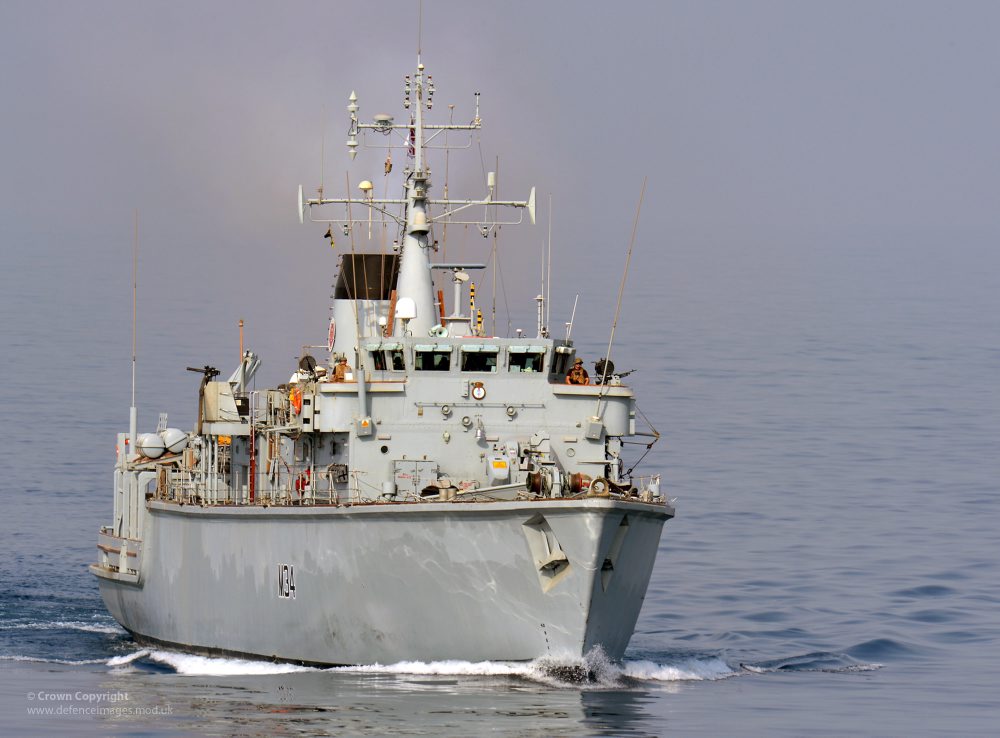
The Indian Express reported an Islamic Revolutionary Guard Corps account of an oil tanker catching fire in the Strait of Hormuz after striking a sea mine. The IRGC described the tanker as having violated regulations. The report placed the incident amid continuing attacks on shipping, but the supplied account did not identify independent confirmation of the circumstances.
In Saudi Arabia, the Saudi-led coalition said on Wednesday that it had intercepted six drones directed towards the kingdom, including the Madina and Eastern regions, according to Dawn. The coalition did not identify who launched them. Houthi military spokesman Yahya Saree denied that the group had conducted operations deep inside Saudi territory.
Dawn also reported that the Saudi Energy Ministry said debris from an intercepted drone targeting the Shaybah oil field killed two people, one Filipino and one Nepali, and injured two others. The ministry did not identify the party responsible for launching that drone. Egypt Independent later reported that the US State Department had ordered non-emergency embassy employees and family members to leave Saudi Arabia amid the Houthi threat.
Egypt offers defensive support as Yemen fighting continues
Egyptian President Abdel Fattah el-Sisi said proposed military support for Saudi Arabia would be defensive and would not involve attacking Yemen, Africanews reported. Sisi had asked parliament to authorise support for Riyadh against Yemen’s Iran-aligned Houthi movement if Saudi Arabia requested it.
The Houthis separately claimed an attack on Wednesday against a military camp near Aden airport, according to Dawn. The same report said Iran viewed Egypt’s potential entry into the Yemen conflict as making the situation more difficult. These remained attributed claims and positions from the parties involved.
The human toll
For casualty context, the World Health Organization’s report published September 22, 2026, cited Iranian national authorities as reporting 3,375 people killed and 33,806 injured in Iran during the conflict period beginning February 28. The report does not supply a precise casualty cutoff: its September 15 report date and September 14 data date are not cutoff dates for the country figures. WHO said Iran’s totals had been carried forward because updated cumulative figures after June were not reported, and separately reported later casualties were not added. These are reported nationwide totals, not verified civilian minimums; civilian and military casualties are not separated. They are background figures and do not represent deaths or injuries during this article’s week.
Energy shock reaches Pakistan and British industry
Pakistan’s finance minister said on Saturday that the country had so far absorbed the impact of sharply higher energy prices arising from the Iran war, Middle East Eye reported. He nevertheless described attacks on energy infrastructure in Saudi Arabia and elsewhere in the Gulf as a concern for Pakistan’s economic outlook.
In Britain, analysis by the UK Steel lobby group said higher global gas prices associated with the US-Israeli war on Iran had widened the electricity-cost disadvantage facing British steelmakers. The Guardian reported that the premium over French competitors had climbed to almost £30 per megawatt hour, its highest level in three years.
Dow Jones Markets reported that oil prices gave up earlier gains that had taken Brent crude above $110 a barrel. Traders were weighing Middle East oil exports alongside threats to shipping through the Strait of Hormuz and reports of attacks.