
Pressure across the Palestinian territories
Reporting published during the period focused on several distinct forms of pressure affecting Palestinians. In the occupied West Bank, coverage documented violence and intimidation around the olive harvest, including attacks on journalists and foreign visitors. In Gaza, other reports examined humanitarian funding shortages, alleged restrictions on medical supplies, obstacles to rebuilding and the danger posed by dwindling generator fuel at hospitals.
Reports on the West Bank also described European Union condemnation, a visit by US officials and arrests by Israeli police. Lawyers subsequently said detention continued for only one suspect, with the rest confined to their homes. The developments reported from Gaza involved different authorities, organisations and shortages, and were not presented as consequences of the West Bank violence or the diplomatic response.
Journalists and visitors attacked during the harvest
Dawn Pakistan reported that settlers assaulted Heidi Levine, a 65-year-old photographer working for The Washington Post, while she was covering the olive harvest on Friday. She was treated in hospital for fractured vertebrae, the outlet said. It also described an earlier attack on AFP photographer Jaafar Ashtiyeh, who likewise needed hospital care after being hurt while reporting on the harvest 10 days before Levine’s assault.
A convoy carrying European diplomats was attacked on Saturday, according to witnesses cited by Middle East Eye and reporting by Dawn Pakistan. Bernard Baudoux, the 78-year-old mayor of Aulnoye-Aymeries in France, was also assaulted while making a goodwill visit, the reports said.
Another episode emerged through video distributed by Palestinian media and covered by the Times of Israel. The outlet said the footage depicted settlers confronting Palestinians and Israeli activists who had reportedly come to collect olives, before making them leave the area. Separately, Dawn Pakistan reported frequent settler attacks, property damage and theft in recent months, along with the takeover of Palestinian-owned olive groves. Al Jazeera characterised violence and land acquisition during the harvest as part of a wider pattern benefiting from official support and limited accountability; that assessment was the outlet’s allegation.
Condemnation, a US visit and Israeli arrests
Middle East Eye reported that the European Union issued a strong denunciation of the assault on the diplomatic group. FBC News reported that American officials visited a Christian Palestinian village on Sunday following attacks on European diplomats and a US photojournalist during the preceding two days. Those visiting included Riley Barnes, the US assistant secretary of state for democracy, human rights and labor, and Brian Burch, the US ambassador to the Holy See.
Israeli police said on Monday that 10 people had been arrested in connection with the recent violence, according to Dawn Pakistan. Honenu, an organisation providing legal assistance that frequently acts for Israeli settlers and soldiers, later said only one remained detained and all the others had been moved to house arrest. None of the suspects was named in the report. Lawyer Assaf Gonen characterised the arrests as performative and driven by media pressure and outside interests.
Dawn Pakistan also described divergent political reactions within Israel. The outlet said Prime Minister Benjamin Netanyahu had raised doubts about the circumstances of the attacks on Western visitors, while opposition figures accused him of damaging the country’s reputation. The same report said prosecutions of settlers accused of violence against Palestinians are uncommon. These were reported political positions and characterisations, not findings about the guilt of the arrested suspects.
Food and prosthetic support constrained in Gaza
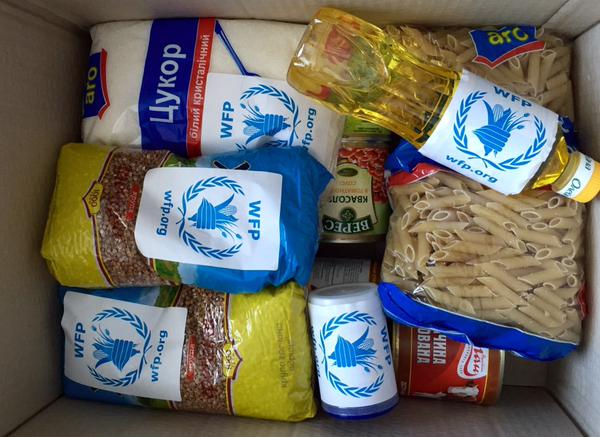
The World Food Programme plans to reduce the number of people receiving its assistance in Gaza from 1.6 million to 1.1 million, according to the BBC. The decrease, which amounts to roughly one-third of current recipients, was attributed to insufficient funding. The report presented the reduction as an intended change rather than one that had already taken full effect.
Middle East Eye separately reported that Israeli authorities had blocked the entry of prosthetic devices and other materials. The outlet said the restrictions were hindering treatment for amputees in Gaza and worsening difficulties associated with damage to hospitals.
The human toll
As of 9 October 2026, the Gaza Ministry of Health reported 74,370 Palestinians killed and 175,371 injured in the Gaza Strip since 7 October 2023, figures published by the World Health Organization. These cumulative totals convey the scale of death and injury but are background to the article, not casualties from its briefing period or a single new incident. They are reported figures, not independently verified UN totals or a civilian-only count. The reporting date does not establish when each casualty occurred, and changes in the totals may reflect delayed reports, recoveries or revisions. An available demographic breakdown is older and covers only 71,444 identified fatalities, so it should not be applied to the newer total.
Rebuilding shortages and hospital fuel warnings
Scarcity of conventional building supplies was illustrated by the case of Palestinian potter Jaafar Atallah. The Times of India reported that, following two years in a tent after the loss of the family home, he used earth to construct a rounded shelter for his parents. The outlet said cement and steel were difficult to secure, impeding reconstruction in Gaza.
Middle East Monitor reported a separate warning from Al-Azhar on Wednesday about diminishing supplies for electricity generators at Gaza’s hospitals. The Egyptian institution said a loss of power would endanger patients, injured people and children. It appealed for international intervention to permit aid deliveries and establish humanitarian corridors, and alleged that depriving medical facilities of electricity would constitute a war crime. Its warning described a feared outcome, not one reported as having occurred.
As background predating the briefing period’s reports, a Middle East Monitor image caption said Al-Awda Hospital in the Nuseirat refugee camp had announced on October 7, 2026, that medical operations were being suspended. It attributed the suspension to an acute lack of generator fuel and unavailable replacement parts. The hospital warning, prosthetic-supply allegations, planned reduction in food recipients and shortage of construction materials concern separate humanitarian constraints and should not be treated as a single chain of cause and effect.