
Findings
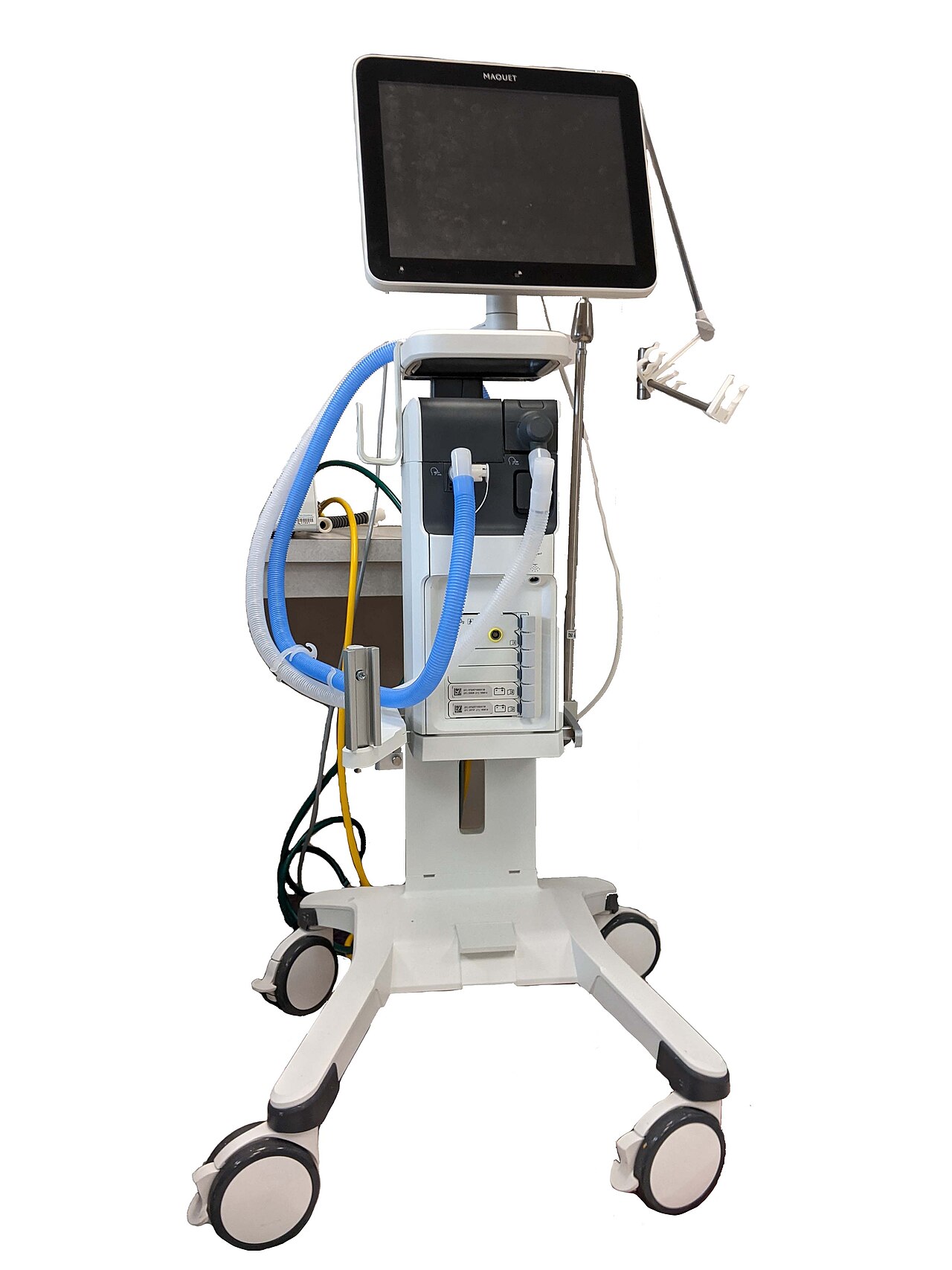
From June 2021 through August 2022, researchers prospectively tracked patients at the pediatric intensive care service of a high-complexity hospital. Among 1,354 admissions, 273 patients received mechanical ventilation, representing roughly one in five admissions and 306 ventilation cycles. The team also assessed acute hypoxemic respiratory failure, abbreviated AHRF, and the pediatric form of acute respiratory distress syndrome, known as PARDS.
AHRF was reported in 19.4% and PARDS in 6.6%, but the abstract does not clearly identify the denominators for these percentages. At intensive care discharge, 18.7% had acquired morbidity and 12.1% had died. Mortality before hospital discharge was 13.2%, and 10.2% of patients underwent tracheostomy. The researchers summarized that about seven in ten ventilated patients survived without newly acquired morbidity.
Initial, unadjusted analyses linked morbidity and mortality with PIM-2 score, failed or unplanned extubation, tracheostomy, ventilation duration, hospital stay, AHRF and PARDS. In the adjusted analysis, only PIM-2 and tracheostomy remained significant. Patients with AHRF had longer ventilation and hospitalization, more tracheostomies, and higher morbidity and mortality. For PARDS, the researchers reported only trends toward longer ventilation, longer hospital stays and greater mortality.
Why it matters
The study provides a snapshot of the serious outcomes and resource needs associated with mechanical ventilation in one pediatric intensive care setting. It may help characterize which ventilated patients experienced more complicated hospital courses. However, this was an observational cohort: it cannot show that AHRF, PARDS, tracheostomy or longer ventilation caused morbidity or death.
What remains uncertain
Results from one high-complexity hospital may not generalize to other institutions or patient populations. The abstract omits ages, underlying diagnoses, eligibility criteria, the definition of acquired morbidity, missing-data procedures and follow-up after hospitalization. It also provides no adjusted effect sizes, confidence intervals or detailed statistical results, so the magnitude and precision of the associations cannot be assessed.
The PARDS results were characterized as trends rather than firm statistical findings. The abstract also does not establish whether the identified factors independently predict outcomes in other settings. Although a journal record is available, the supplied source does not verify peer-review status.