
Listen to the episode
582. Netanyahu’s Fight for Survival and the Gaza Film That Shocked Rory and Alastair
Full original episode. Highlights below summarise the discussion; claims and opinions are attributed to the speakers.A close election focused on Netanyahu’s fate
In episode 582 of The Rest Is Politics, Rory Stewart and Alastair Campbell examine Israel’s approaching parliamentary election before turning to the Gaza documentary Naza. This account reflects their conversation and description of the film; its claims were not independently corroborated within the episode.
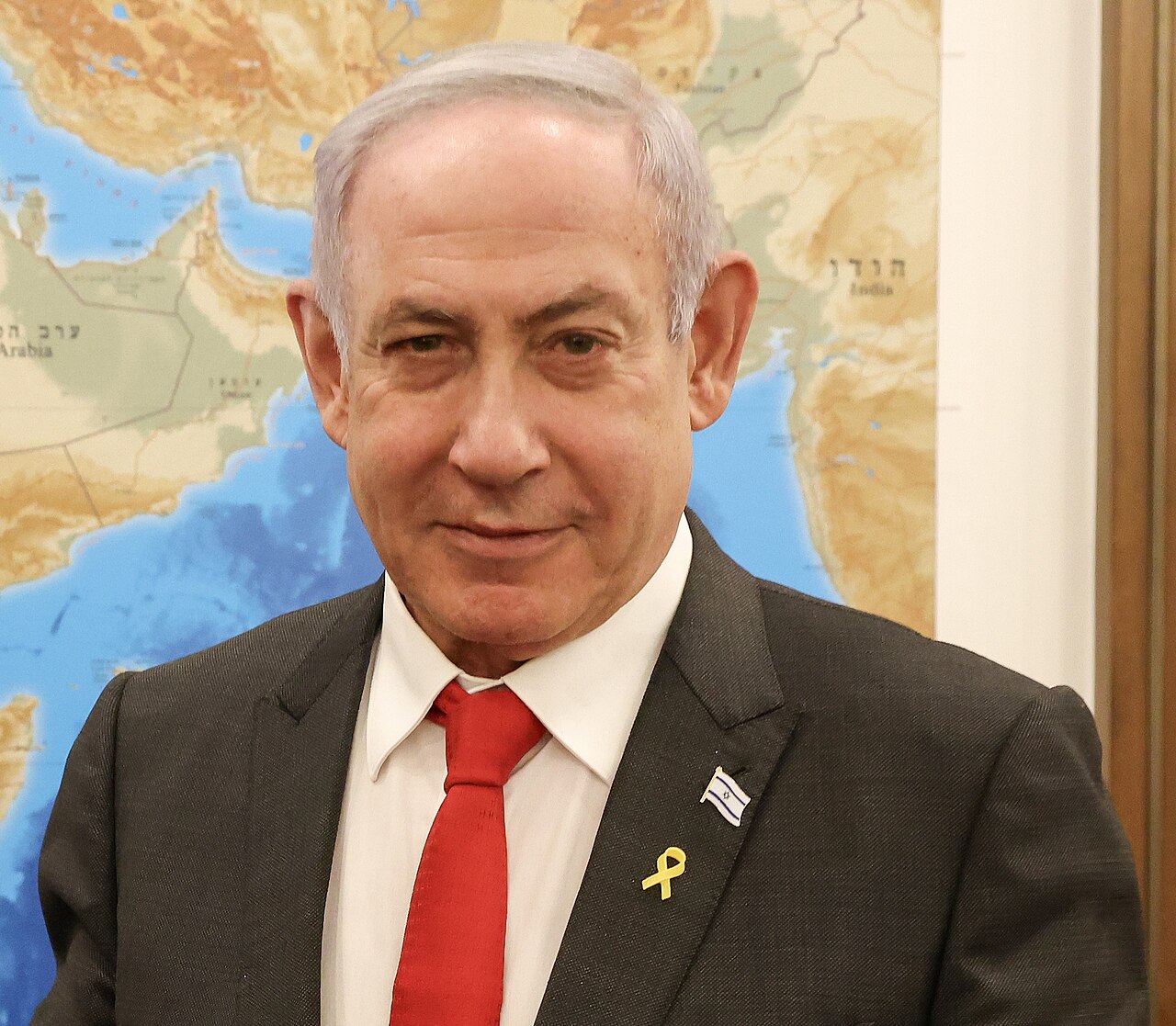
The hosts portray the election primarily as a referendum on Benjamin Netanyahu, who has governed Israel intermittently since 1996. They describe a Netanyahu-aligned bloc containing Likud, ultra-Orthodox parties and far-right parties, facing a loose opposition whose members share hostility to Netanyahu but do not constitute a traditional left-wing alliance. Campbell says the campaign has yet to demonstrate how an opposition victory would change policy beyond replacing the prime minister.
Thresholds and coalition bargaining may decide the result
The discussion emphasises how small shifts could transform the coalition arithmetic. Parties need 3.25% of the vote to enter the 120-seat Knesset, while a governing majority requires 61 seats. Citing current polling while stressing its uncertainty, the hosts suggest Netanyahu’s bloc could receive about 52 seats and the opposition around 54.
Arab parties could therefore hold pivotal seats, according to the show, but several leading Netanyahu opponents have ruled out governing with them. Campbell wonders whether that position might soften if the alternatives were prolonged deadlock or another election, while explicitly presenting this as speculation. Stewart also notes that coalition negotiations can elevate leaders of relatively small parties.
Palestinian statehood sits outside the main campaign
Stewart and Campbell argue that the contest is being driven by the aftermath of 7 October, security concerns, Netanyahu’s record and anger over exemptions from military service for ultra-Orthodox Jews. They see little conventional debate about health, education or the economy. They also say neither the principal opposition parties nor Netanyahu’s bloc is campaigning for a two-state settlement or partnership with Arab parties.
The hosts additionally discuss Donald Trump’s strong endorsement of Netanyahu. They regard the intervention as highly unusual and disagree over its likely effect: it might assist Netanyahu because Trump remains popular among Israeli voters, or strengthen opposition claims that Israel needs allies beyond him. They offer no firm electoral prediction.
Naza presents disturbing claims about targeting in Gaza
The hosts describe Naza as interviews with disguised Israelis presented as participants in military or intelligence operations. In their retelling, interviewees say an artificial-intelligence system assessed suspected Hamas links with roughly 85% accuracy and that anticipated civilian casualties were incorporated into strike-authorisation thresholds. Those assertions come from the film as recounted on the podcast, rather than from evidence independently tested during the episode.
Stewart and Campbell focus on the film’s depiction of lethal choices becoming administrative calculations. They recount allegations about strikes on homes, attacks on people returning to evacuated areas and deliberate destruction of buildings. Both conclude that Palestinian suffering is largely peripheral to the election campaign and question whether Netanyahu’s departure alone would produce a substantial change in Israel’s approach to Palestinians.