
Watch or listen to the episode
#350 Mike Hayes - The Navy SEAL in Obama’s Situation Room During the Captain Phillips Rescue
Full original episode. Highlights below summarise the discussion; claims and opinions are attributed to the speakers.From an abduction in Peru to a lesson in loyalty
Hayes tells host Shawn Ryan that, early in his SEAL career, armed men dressed as police seized him and a teammate in Lima. He says he relied on Spanish, training and deliberate compliance to convince the captors that they were harmless embassy economists. When the vehicle slowed, Hayes believed he could escape but decided not to abandon his teammate. The men eventually released them and stole their vehicle. Hayes presents the experience as an early test of loyalty and composure, while acknowledging that he cannot know precisely why they survived.
Kosovo shaped his approach to battlefield risk
During a reconnaissance mission in Kosovo, Hayes says his team photographed what he described as a prohibited Russian arms transfer to Serbian-aligned forces. After another unit struck the site, he and his teammates remained in position despite concerns that they had been compromised. Hayes recalls armed men searching nearby before communications expertise and helicopter support helped the team withdraw. He says the intelligence reached the US president’s daily briefing, but he still questions whether the risk was justified.
That episode later informed his command decisions in Afghanistan. Hayes recounts cancelling a reconnaissance operation when Taliban fighters began moving towards an isolated US team, arguing that a possible strike on dozens of opponents was not worth losing SEALs or Green Berets. His broader principle was that leaders should explain the reasoning behind such calls, compare available information and remain willing to revise their judgment.
Inside the White House response to the Captain Phillips crisis
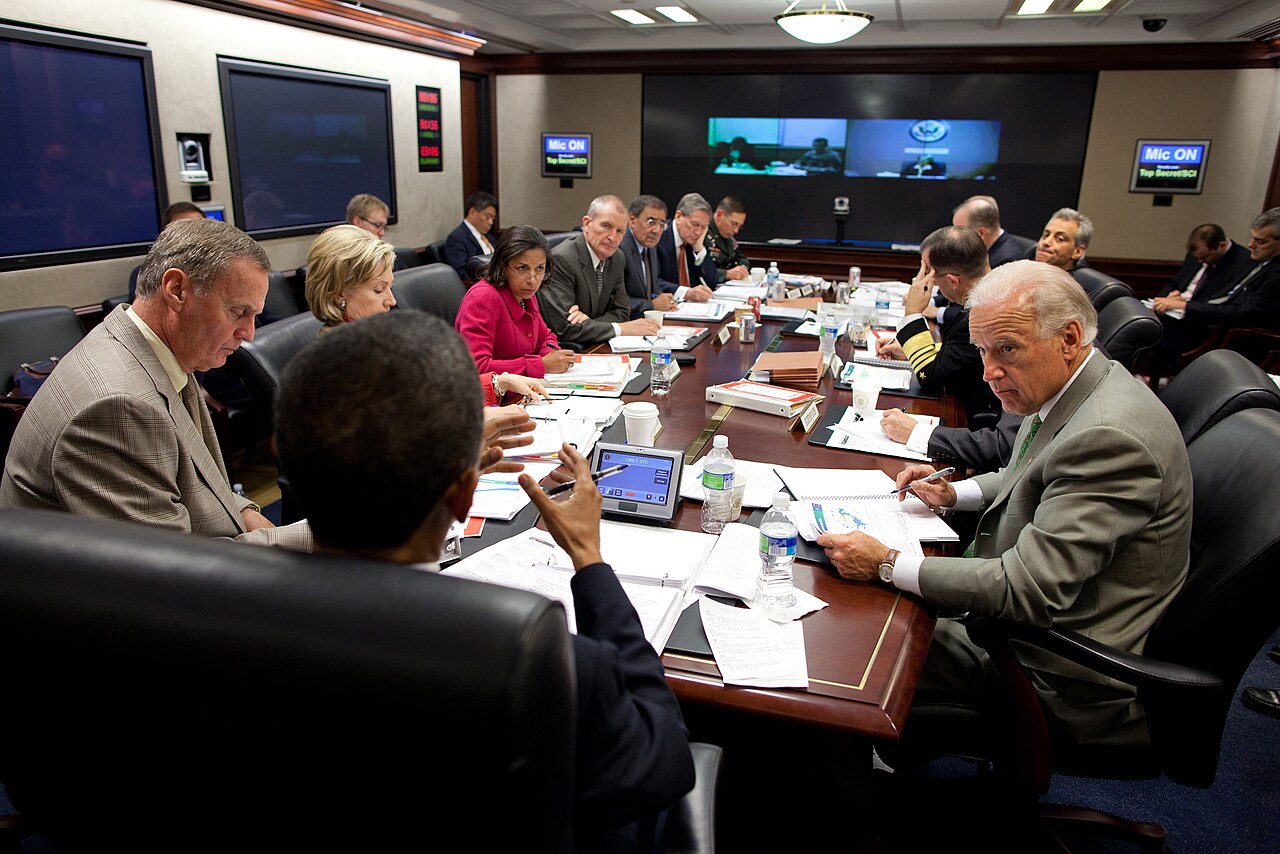
Hayes says his White House role began with defence policy and US-Russia strategic arms negotiations. During the transition from George W. Bush to Barack Obama, he remained on the National Security Council staff and helped review classified Defense Department authorities. When reports emerged that Somali pirates had taken an American captain hostage, Hayes says he feared the captive could be transferred to Al-Shabaab and urged a SEAL unit to begin preparations.
According to Hayes, a senior Pentagon officer initially resisted military planning, prompting Hayes to issue what he called White House guidance to prepare options. He then coordinated twice-daily interagency calls from the Situation Room, including preparations for prosecuting surviving pirates or handling fatalities. Hayes says Obama later sent him a note thanking him for his work. He argues that the operation increased the administration’s confidence in special operations, while stopping short of claiming direct responsibility for later missions.
Leadership meant protecting people, not merely completing missions
Across the conversation, Hayes defines leadership as creating conditions in which people can succeed and return home. After the deadly Operation Red Wings period, he says he required affected personnel to meet both a chaplain and psychologist, partly to remove any stigma around seeking support. In Afghanistan, he also describes refusing an order to send Green Berets down a route believed to contain newly planted explosives; Afghan forces were subsequently sent and suffered casualties, according to his account.
Hayes connects that duty of care to his post-military work. He says proceeds from his books and speaking engagements support the 1162 Foundation, which had paid off 12 mortgages for Gold Star widows, with another planned. For Hayes, the aim is practical, lasting assistance that allows families to remain in homes carrying memories of those they lost.