
Cases extend beyond Congo
The Democratic Republic of the Congo has recorded more than 10,000 confirmed Ebola cases and nearly 4,900 deaths, according to figures reported by DW. The Associated Press, citing data from Congo’s Ministry of Health, gave a total of 10,060 confirmed infections and said nearly half of those patients had died.
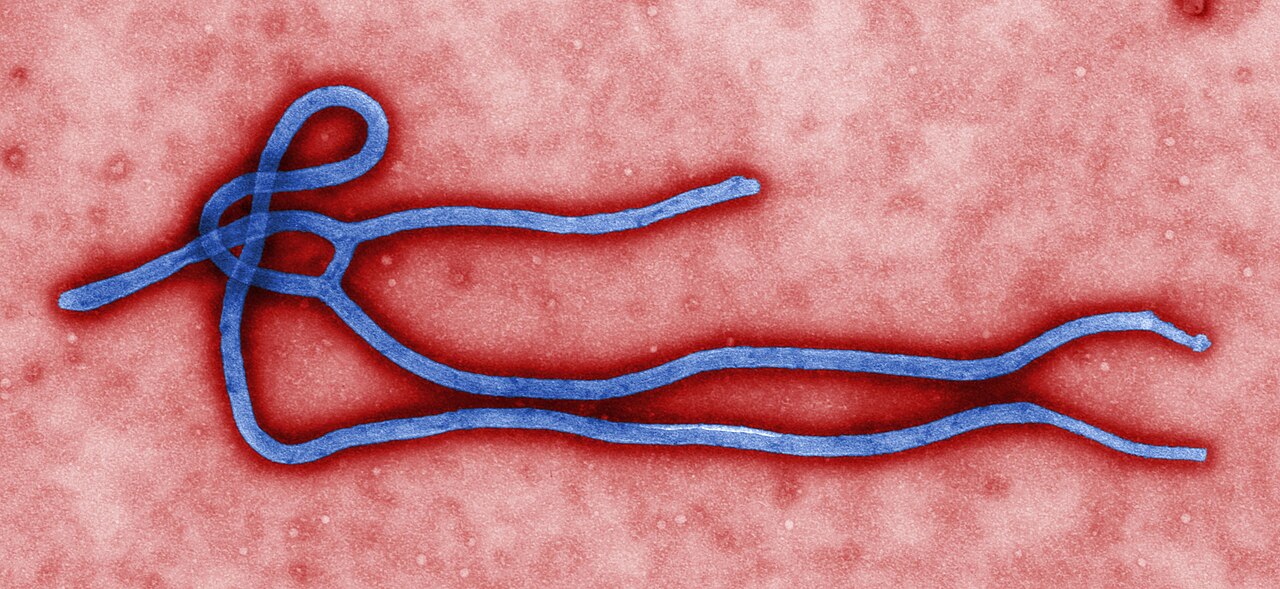
The outbreak is caused by the Bundibugyo virus, for which no vaccine or specific treatment has been approved, according to DW and the AP report. Cases have been recorded in Kenya and Nigeria, while Uganda and France have previously recorded cases but have no active infections, the AP reported.
Surveillance gaps leave transmission undetected
About 80% of recorded cases in Congo are among people who were not being monitored as known contacts, according to the AP report. Africa CDC has said at least 95% would need to come from known contacts before officials could consider the outbreak largely under control. At least half of recorded deaths involve people who were never admitted to treatment centres, the report said.
A provincial response bulletin dated 25 October 2026 recorded 63 new confirmed cases and 27 deaths in North Kivu in one day, Politico.cd reported. Of 18,937 active contacts listed in the province, 13,194 were followed that day, leaving 5,743 without the planned monitoring. North Kivu had accumulated 2,423 confirmed cases and 1,424 deaths, according to the bulletin.
Conflict, mistrust and strained facilities
Response teams face armed conflict, poor roads and hostility linked to mistrust and misinformation, according to the AP. Responders told the outlet that some treatment centres were overwhelmed, while health workers had staged strikes over delayed or unpaid wages. Teams have also struggled to secure vehicles and persuade families to release sick or deceased relatives for treatment or safe burial.
The AP reported that health workers continued to face attacks, including an assault on Saturday in Bafwasende, Tshopo province, that killed a nurse and severely injured another worker responding to an Ebola alert. The combination of insecurity, resistance to care, incomplete contact tracing and the lack of an approved vaccine or specific treatment remains central to containment efforts.