
Findings
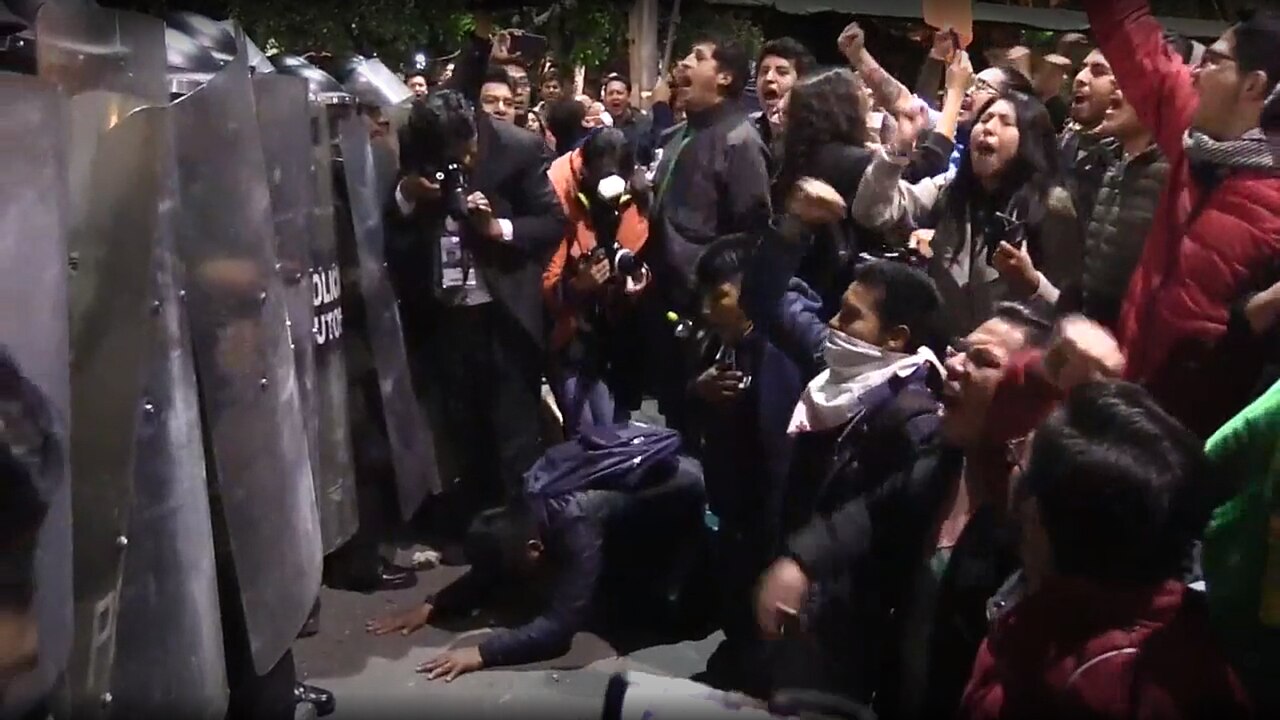
The researchers reviewed literature published from January 2016 through February 2026 on protest suppression, state violence and psychological outcomes across different political settings. Eligible material included empirical studies, previous systematic and scoping reviews, and institutional or policy documents. The review mapped evidence across six domains: unrest affecting whole populations, protesters’ direct exposure to police violence, repression technologies and injury pathways, prolonged or less visible repression, mediated and spillover exposure, and repression affecting exiles across borders.
Across these domains, the researchers report associations between protest suppression and post-traumatic stress symptoms, depression, anxiety, suicidality and chronic hypervigilance. The reviewed literature also indicated that reported harm was not limited to people directly encountering violence. Cumulative insecurity, prolonged threats, digital or mediated exposure, and cross-border coercion were identified as factors shaping psychological outcomes. These are associations reported across existing sources; the review does not by itself establish that repression caused each outcome.
Why it matters
The review presents political repression as a potentially sustained and widely distributed exposure rather than only a single violent confrontation. This framing may help researchers and policymakers consider people affected through ongoing intimidation, indirect exposure or transnational pressure, alongside those physically present during protest suppression. The authors suggest that this broader view has implications for trauma-informed care, policy and future research, but the abstract does not report tests showing that particular clinical or policy responses improve outcomes.
What remains uncertain
The abstract does not state how many sources were included, which countries were represented or how many participants were covered by the underlying studies. It provides no effect sizes, pooled estimates, comparison groups or detailed assessment of study quality. The magnitude and consistency of the reported associations therefore cannot be assessed, nor is it possible to determine how well individual studies accounted for prior trauma or other influences on mental health.
The review used narrative synthesis and combined sources that likely differed in design and in how directly they measured mental health. A scoping review primarily maps the range of available evidence, so stronger causal conclusions would require closer assessment of the underlying studies. The journal listing does not confirm whether the article was peer reviewed.