
Costa Rica service faces staffing cut
Costa Rica’s National Tsunami Monitoring System, known as Sinamot, has warned that it may be unable to maintain round-the-clock operations from January 1, 2027. La Nación reported that a position assigned annually since 2018 to help handle alerts will no longer be provided in 2027.
Universidad Nacional said Sinamot’s team would fall from three or four employees to two: one working three-quarters time and the other half time. The university attributed the staffing decision to the government’s proposed 0% increase for the Special Fund for Higher Education that year and subsequent reductions approved by the Legislative Assembly. It said the remaining staff would be insufficient to provide continuous emergency coverage.
Sinamot has operated as Costa Rica’s tsunami warning centre since April 2014, assessing earthquakes and other events that could produce dangerous waves along the Pacific and Caribbean coasts. It has analysed more than 900 potential threats, including eight events that generated tsunamis recorded in Costa Rica. Three led to preventive measures, including suspensions of water activities.
Satellite study examines Masaya’s underground system
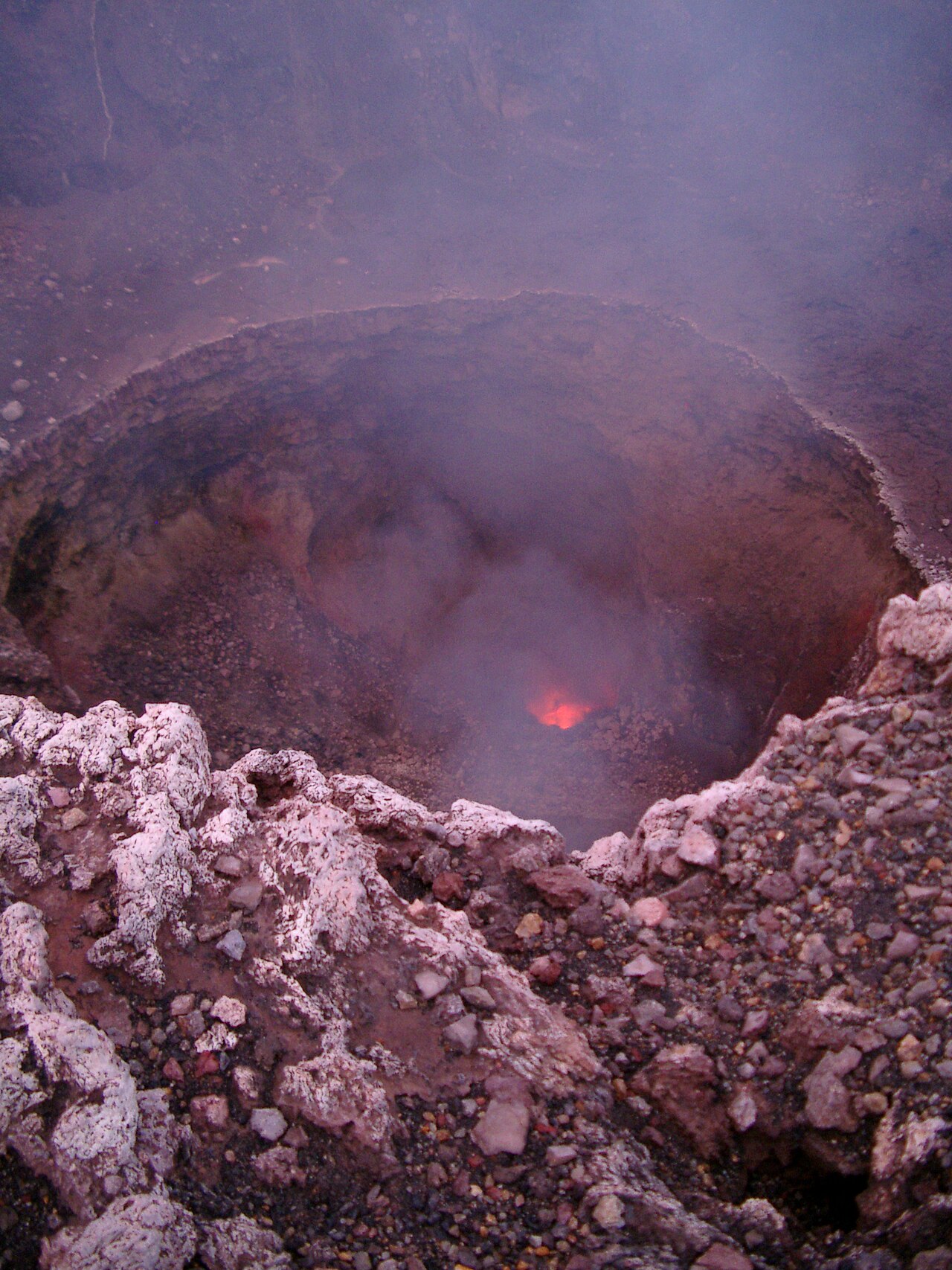
Separately, scientists at Pennsylvania State University found evidence consistent with two magma reservoirs beneath Nicaragua’s Masaya volcano, E-Global reported. The study, published in Geophysical Research Letters, used six years of satellite observations covering 2018 to 2024.
Sentinel-1 radar observations revealed contrasting patterns of ground deformation. One section of the caldera initially subsided and then rose, while the area around the active Santiago crater continued to sink during the period studied. The researchers said the differences could indicate separate reservoirs undergoing distinct changes in pressure and volume.
The researchers did not identify an immediate danger. They recommended continued satellite observations and more detailed modelling, saying an understanding of the reservoirs’ usual behaviour could help distinguish routine variations from potential signs of increased volcanic activity. E-Global reported that about two million people live within 21 kilometres of Masaya.